Benefits of Microgreens in Everyday Urban Living

Urban living often comes with its own set of challenges, particularly when it comes to maintaining a healthy lifestyle. With limited space and access to fresh produce, many city dwellers find it difficult to incorporate nutritious foods into their diets. Enter microgreens—tiny, nutrient-packed plants that can easily be grown indoors or on small balconies. In this blog post, we will explore the numerous benefits of microgreens and how they can enhance everyday urban living.
What Are Microgreens?
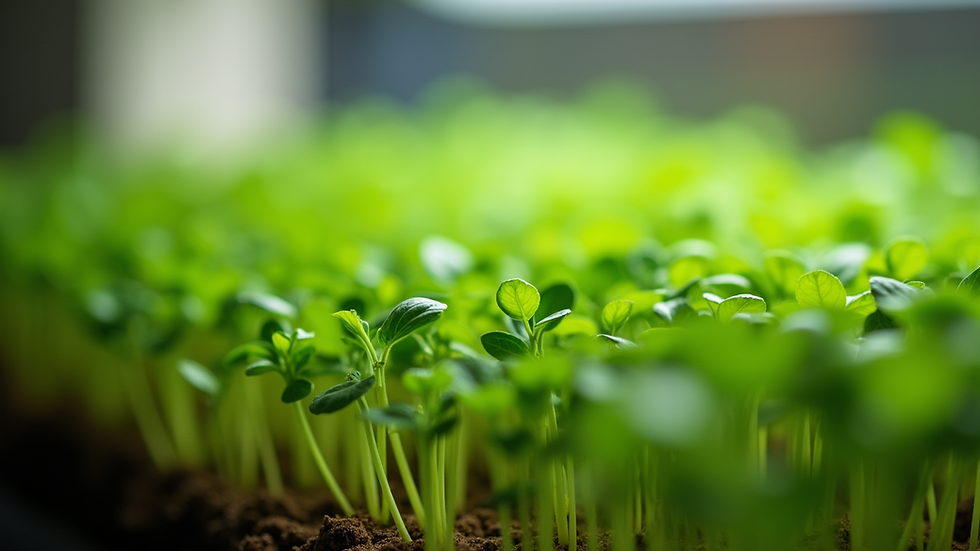
Microgreens are young, edible plants harvested just after the first true leaves have developed. They come in a variety of flavors, colors, and textures, making them a versatile addition to any meal. Common types of microgreens include:
Arugula: Peppery flavor, great for salads.
Basil: Sweet and aromatic, perfect for Italian dishes.
Radish: Spicy and crunchy, adds a kick to sandwiches.
Pea Shoots: Sweet and tender, excellent in stir-fries.
These tiny greens are not only flavorful but also boast an impressive nutritional profile, often containing higher concentrations of vitamins and minerals than their mature counterparts.
Nutritional Powerhouse
One of the most compelling reasons to incorporate microgreens into your diet is their exceptional nutritional value. Research has shown that microgreens can contain up to 40 times more nutrients than the mature plants. For example, red cabbage microgreens are rich in vitamins C, E, and K, while sunflower microgreens are packed with protein and healthy fats.
Key Nutrients Found in Microgreens
Vitamins: Many microgreens are high in vitamins A, C, E, and K, which are essential for immune function, skin health, and bone strength.
Minerals: Microgreens can provide significant amounts of calcium, magnesium, and iron, crucial for overall health.
Antioxidants: These tiny greens are rich in antioxidants, which help combat oxidative stress and reduce inflammation in the body.
By adding microgreens to your meals, you can easily boost your nutrient intake without significantly increasing your calorie consumption.
Easy to Grow
One of the most appealing aspects of microgreens is how easy they are to grow, even in limited spaces. Here are some simple steps to get started:
Choose Your Seeds: Select microgreen seeds from a reputable source. Look for varieties that suit your taste preferences.
Gather Supplies: You will need a shallow container, potting soil, and water. Optional items include grow lights if you lack natural sunlight.
Plant the Seeds: Fill the container with soil, sprinkle the seeds evenly, and cover them lightly with more soil.
Water and Light: Mist the soil with water and place the container in a sunny spot or under grow lights. Keep the soil moist but not soggy.
Harvest: In about 7 to 21 days, your microgreens will be ready to harvest. Use scissors to cut them just above the soil line.
Microgreens can thrive in small spaces, making them ideal for urban living. Whether on a windowsill, balcony, or countertop, you can enjoy fresh greens year-round.
Cost-Effective Nutrition
In urban areas, fresh produce can often be expensive, especially organic options. Growing your own microgreens can significantly reduce grocery bills while providing fresh, nutritious food. A small packet of microgreen seeds can yield several harvests, making it a cost-effective solution for health-conscious individuals.
Comparison of Costs
Store-Bought Microgreens: Typically range from $3 to $5 for a small container.
Home-Grown Microgreens: A packet of seeds costs around $2 and can produce multiple servings.
By investing a little time and effort, you can enjoy fresh microgreens at a fraction of the cost.
Culinary Versatility
Microgreens are not just nutritious; they are also incredibly versatile in the kitchen. Here are some creative ways to incorporate them into your meals:
Salads: Add a handful of microgreens to your salads for extra flavor and nutrition.
Sandwiches and Wraps: Use microgreens as a crunchy, flavorful filling in sandwiches and wraps.
Smoothies: Blend microgreens into your smoothies for a nutrient boost without altering the taste significantly.
Garnishes: Use microgreens to garnish soups, omelets, and main dishes for an elegant touch.
Their vibrant colors and unique flavors can elevate any dish, making healthy eating more enjoyable.
Environmental Benefits
Growing microgreens at home not only benefits your health but also the environment. Here are some environmental advantages of cultivating your own greens:
Reduced Carbon Footprint: By growing your own food, you decrease the need for transportation and packaging associated with store-bought produce.
Less Water Usage: Microgreens require significantly less water than traditional farming methods, making them a sustainable choice.
No Pesticides: When you grow your own microgreens, you have full control over what goes into your food, allowing you to avoid harmful chemicals.
By choosing to grow microgreens, you contribute to a more sustainable food system while enjoying fresh, healthy produce.
Mental Well-Being
Gardening, even on a small scale, can have positive effects on mental health. Engaging with plants can reduce stress, improve mood, and enhance overall well-being. Here are some ways growing microgreens can benefit your mental health:
Mindfulness: Tending to plants encourages mindfulness, helping you focus on the present moment.
Sense of Accomplishment: Watching your microgreens grow and thrive can provide a sense of achievement and boost self-esteem.
Connection to Nature: Gardening fosters a connection to nature, which can be particularly beneficial in urban environments where green spaces are limited.
Taking the time to nurture your microgreens can provide a much-needed break from the hustle and bustle of city life.
Community Engagement
Growing microgreens can also foster community connections. Here are some ways to engage with others while enjoying the benefits of microgreens:
Share Your Harvest: Share your microgreens with friends, family, or neighbors. This can create a sense of community and encourage others to start their own gardens.
Join a Gardening Group: Many urban areas have gardening clubs or community gardens where you can learn from others and share tips on growing microgreens.
Participate in Workshops: Look for local workshops or classes on urban gardening. These can provide valuable information and connect you with like-minded individuals.
Engaging with your community can enhance your gardening experience and inspire others to embrace healthy living.
Conclusion
Microgreens offer a wealth of benefits for urban dwellers looking to enhance their health and well-being. From their impressive nutritional profile to their ease of growth and culinary versatility, these tiny greens can make a significant impact on everyday urban living. By incorporating microgreens into your diet, you can enjoy fresh, flavorful, and nutrient-dense food while contributing to a more sustainable lifestyle.
So why not start your microgreen journey today? Whether you have a spacious balcony or just a small windowsill, you can cultivate your own greens and reap the many rewards they offer. Embrace the power of microgreens and transform your urban living experience!


Comments