Growing Microgreens: A Fresh Urban Nutrition Solution

Urban living often comes with challenges, especially when it comes to accessing fresh, nutritious food. With the rise of microgreens, city dwellers now have a viable solution to enhance their diets while enjoying the benefits of home gardening. Microgreens are not just a trendy garnish; they are packed with nutrients and can be grown easily in small spaces. This blog post will explore the benefits of microgreens, how to grow them, and why they are an excellent addition to your urban lifestyle.

What Are Microgreens?
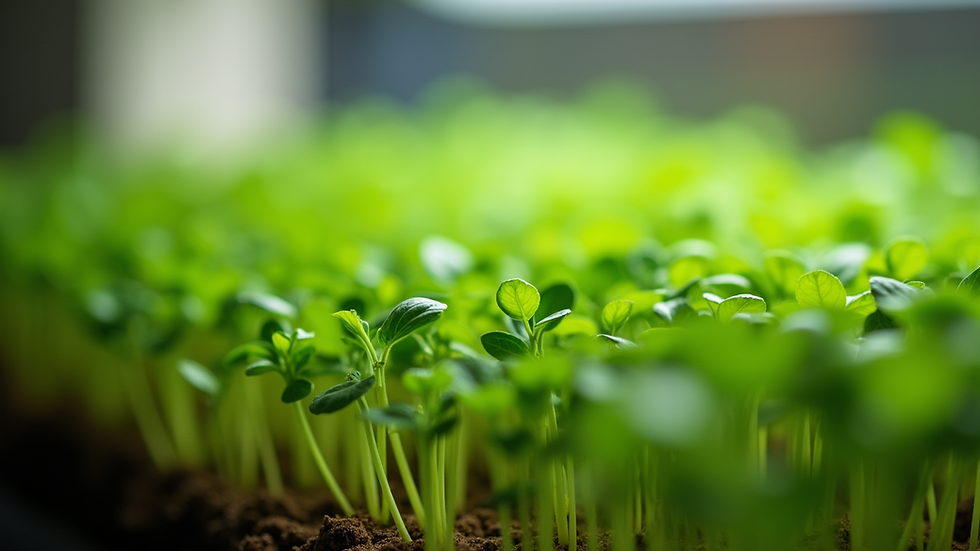
Microgreens are young, edible plants harvested just after the first true leaves have developed. They come in various types, including:
Arugula
Basil
Cilantro
Radish
Pea shoots
These tiny greens are often used in salads, sandwiches, and as garnishes due to their intense flavors and vibrant colors. They are typically harvested within 7 to 21 days after germination, making them a quick and rewarding crop for urban gardeners.
Nutritional Benefits of Microgreens
Microgreens are not just visually appealing; they are also incredibly nutritious. Studies have shown that many microgreens contain higher concentrations of vitamins and minerals compared to their mature counterparts. For example:
Broccoli microgreens are rich in sulforaphane, a compound known for its cancer-fighting properties.
Red cabbage microgreens contain up to 40 times more vitamin E than mature cabbage.
Pea shoots are high in vitamins A, C, and K, as well as folate.
Incorporating microgreens into your diet can enhance your overall nutrition, providing a concentrated source of essential nutrients in a small serving.
Why Grow Microgreens in Urban Settings?
Growing microgreens in urban environments offers several advantages:
Space Efficiency: Microgreens can be grown in small containers or trays, making them ideal for apartments or homes with limited space.
Quick Growth Cycle: With a short growth cycle, you can enjoy fresh greens in just a couple of weeks.
Cost-Effective: Growing your own microgreens can save you money compared to purchasing them at the store.
Sustainability: By growing your own food, you reduce your carbon footprint and contribute to a more sustainable lifestyle.
Flavor and Variety: Microgreens add unique flavors and textures to your meals, allowing for culinary creativity.
How to Grow Microgreens at Home
Growing microgreens is a straightforward process that requires minimal equipment. Here’s a step-by-step guide to get you started:
Step 1: Gather Your Supplies
You will need:
Seeds: Choose your favorite microgreen seeds.
Growing Medium: Options include soil, coconut coir, or hydroponic mats.
Containers: Shallow trays or containers with drainage holes work best.
Water: A spray bottle is ideal for gentle watering.
Step 2: Prepare the Containers
Fill your containers with the growing medium, leaving about an inch of space at the top. Moisten the medium with water, ensuring it is damp but not soggy.
Step 3: Sow the Seeds
Sprinkle the seeds evenly over the surface of the growing medium. For denser crops, you can sow seeds closer together. Lightly press the seeds into the medium to ensure good contact.
Step 4: Water and Cover
Mist the seeds with water using a spray bottle. Cover the containers with a lid or plastic wrap to create a humid environment, which helps with germination.
Step 5: Provide Light
Once the seeds germinate, remove the cover and place the containers in a location with plenty of light. A sunny windowsill or under grow lights works well. Ensure the microgreens receive at least 12-16 hours of light daily.
Step 6: Water Regularly
Keep the growing medium moist by misting it regularly. Avoid overwatering, as this can lead to mold growth.
Step 7: Harvest
Microgreens are ready to harvest when they are about 2-3 inches tall and have developed their first true leaves. Use scissors to cut the greens just above the soil line. Rinse them gently and enjoy!
Tips for Successful Microgreen Gardening
Choose the Right Seeds: Not all seeds are suitable for microgreens. Look for seeds specifically labeled for microgreen production.
Experiment with Varieties: Try different types of microgreens to discover your favorites. Each variety has its unique flavor profile.
Monitor Light and Temperature: Ensure your microgreens receive adequate light and maintain a consistent temperature for optimal growth.
Practice Good Hygiene: Clean your containers and tools to prevent contamination and ensure healthy growth.
Incorporating Microgreens into Your Diet
Once you've harvested your microgreens, the possibilities for incorporating them into your meals are endless. Here are some ideas:
Salads: Add a handful of microgreens to your salads for an extra nutrient boost.
Sandwiches and Wraps: Use microgreens as a flavorful filling in sandwiches and wraps.
Smoothies: Blend microgreens into your smoothies for added nutrition without altering the flavor significantly.
Garnishes: Use microgreens to garnish soups, omelets, and main dishes for a pop of color and flavor.
Overcoming Common Challenges
While growing microgreens is relatively easy, you may encounter some challenges. Here are solutions to common issues:
Mold Growth: Ensure good air circulation and avoid overwatering. If mold appears, remove it carefully and adjust your watering routine.
Leggy Growth: If your microgreens are tall and spindly, they may not be receiving enough light. Move them to a brighter location or adjust your grow lights.
Pest Issues: Keep an eye out for pests. If you notice any, remove them manually or use organic pest control methods.
Conclusion
Growing microgreens is a rewarding and practical solution for urban dwellers seeking fresh, nutritious food. With minimal space and effort, you can cultivate a variety of microgreens that enhance your meals and contribute to a healthier lifestyle. Whether you are a seasoned gardener or a beginner, microgreens offer a simple way to connect with nature and enjoy the benefits of homegrown produce.
Start your microgreen journey today and discover the joy of growing your own food right in the heart of the city!

Comments